Did you know that astronauts’ food consists of freeze-dried products? With freeze-drying, up to 98% of nutrients and vitamins are preserved in the products, and shelf life is also significantly extended.
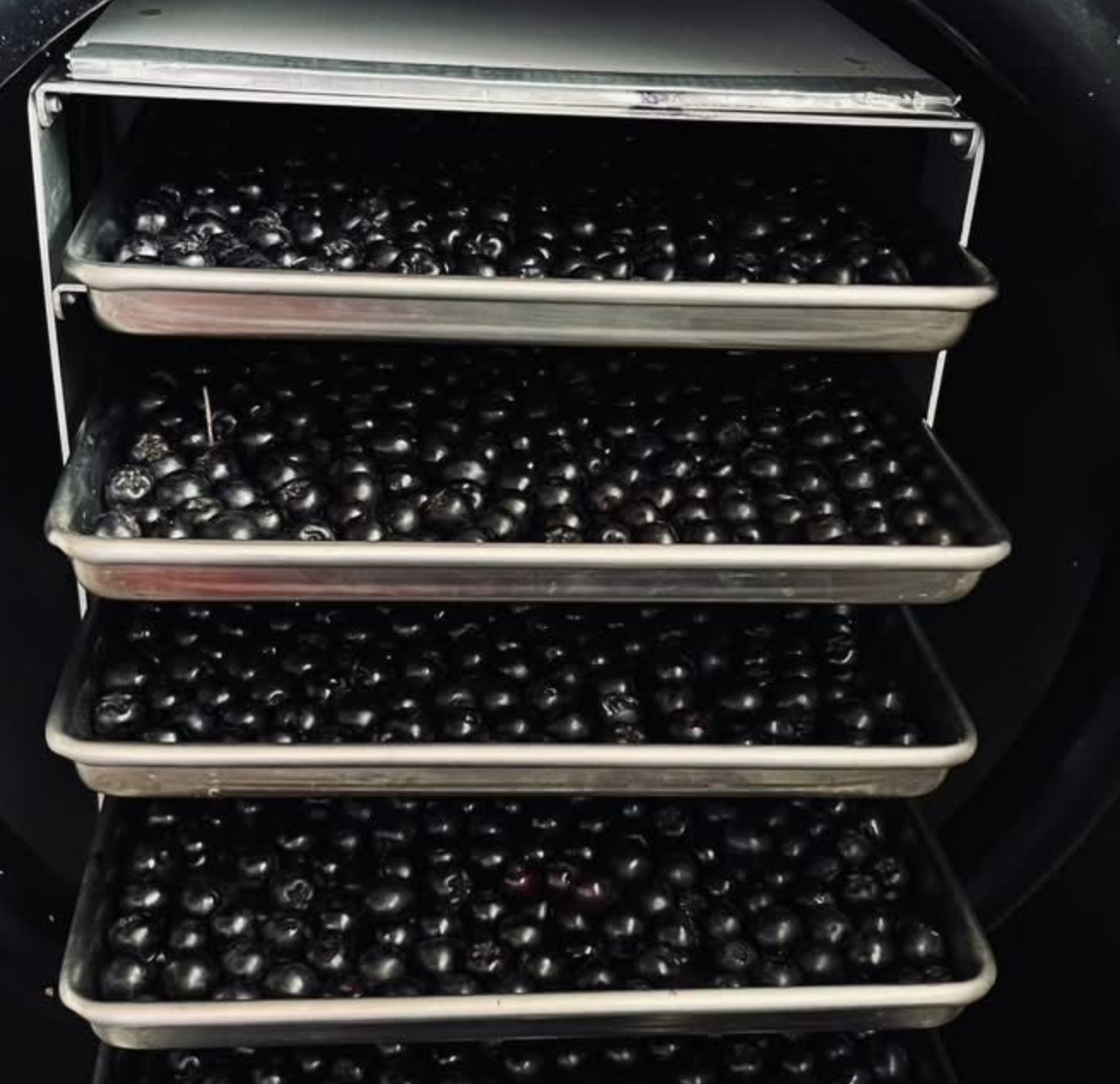
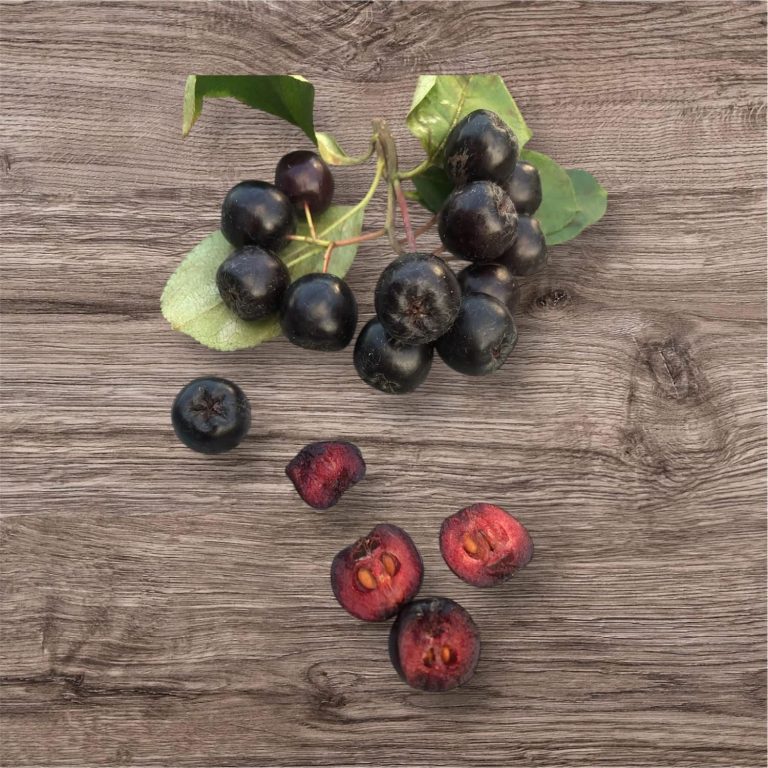
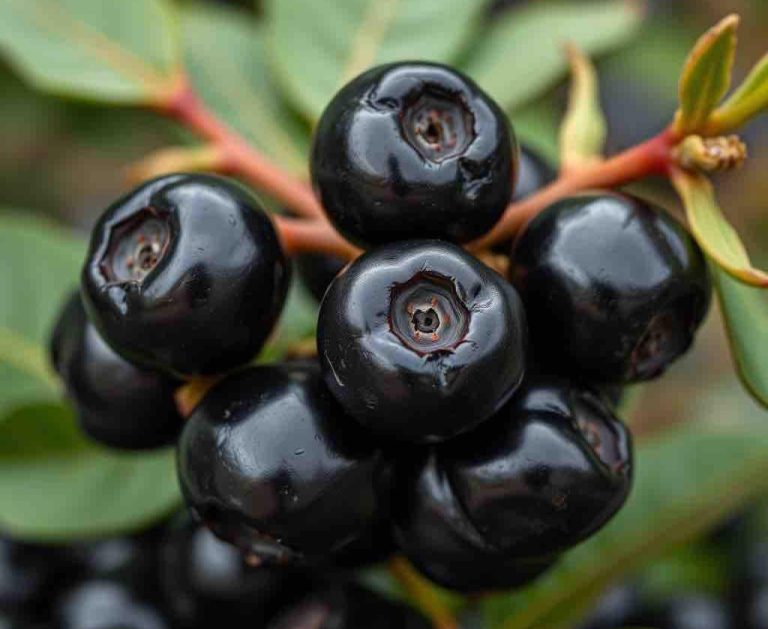
We have found that 5 kilograms of raw material yield 1 kilogram of freeze-dried product. All natural properties and qualities are fully preserved — for example, 100 grams of freeze-dried aronia contain the same amount of nutrients and vitamins as 500 grams of fresh berries.
That is why freeze-dried products are not only ideal as a snack at the office or at home, but also perfect for travel and hiking — the weight and volume are five times lower than fresh berries or fruits, while the nutrients remain the same.
We therefore decided to produce such products in order to preserve significantly more vitamins and micronutrients than in simply dried berries, fruits, and herbs. For us, freeze drying is exactly the right choice.
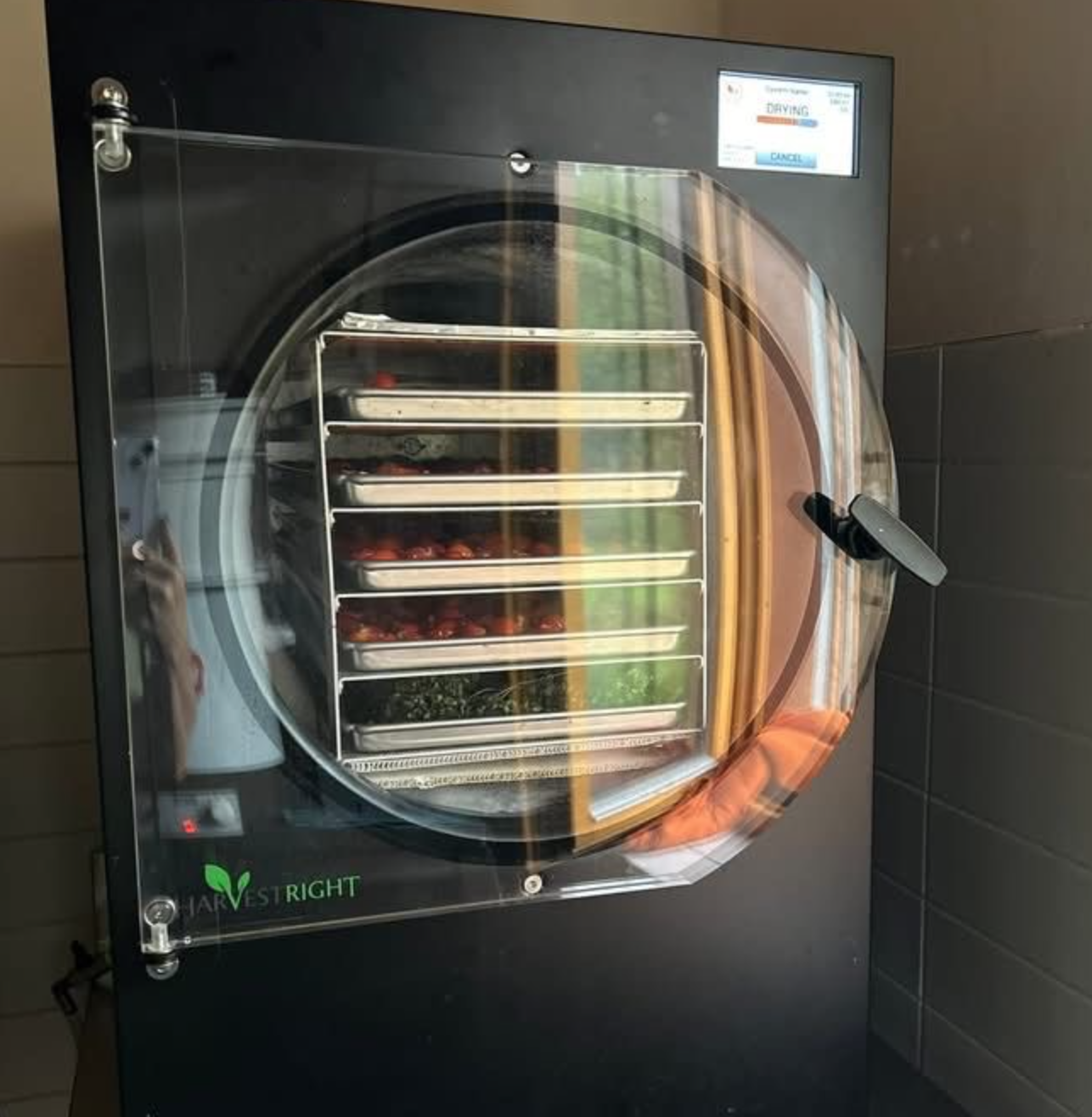
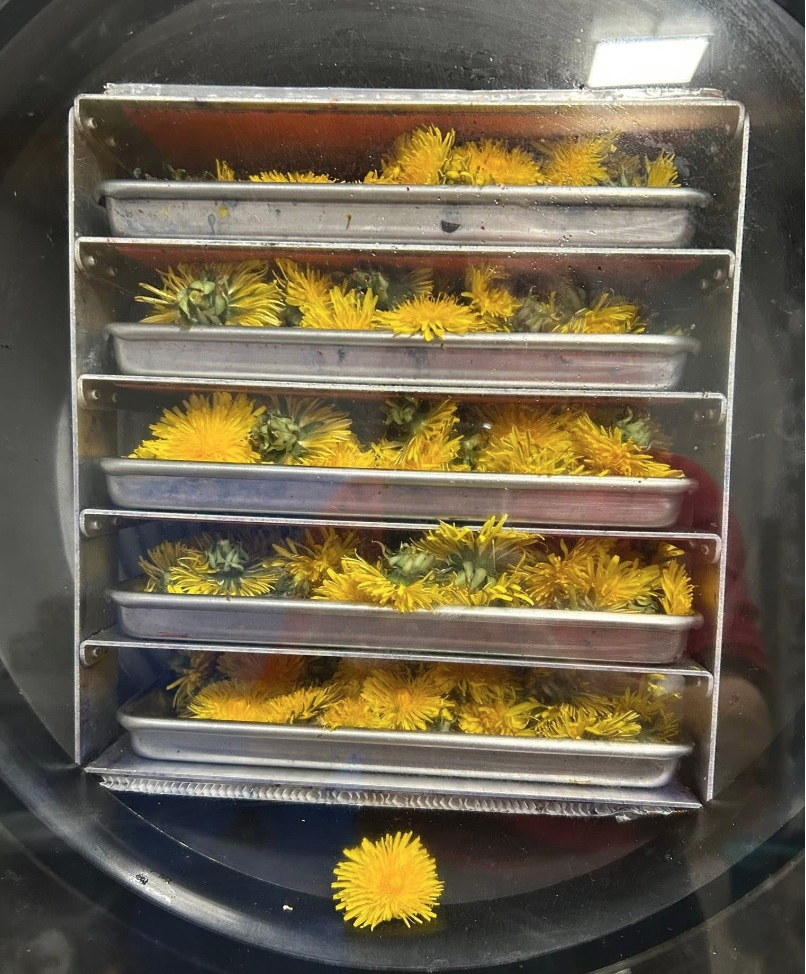
So what exactly is freeze-drying? It is a cold-air drying process in which products are frozen and then have all water removed under vacuum conditions. As a result, we obtain a product that preserves nutrients, micronutrients, antioxidants — and up to 98% of vitamins. The texture of freeze-dried berries and fruits is lightly crispy, while their natural shape, taste, aroma, and color are retained.
And just like that — we essentially taught ourselves this complex, delicate, and lengthy process and ultimately mastered it. At the beginning, it was something completely new and mysterious for us — a civil engineer and a psychotherapist.
Freeze drying is a time-consuming and delicate process. Production can take up to 46 hours depending on the product, which means capacity is limited.
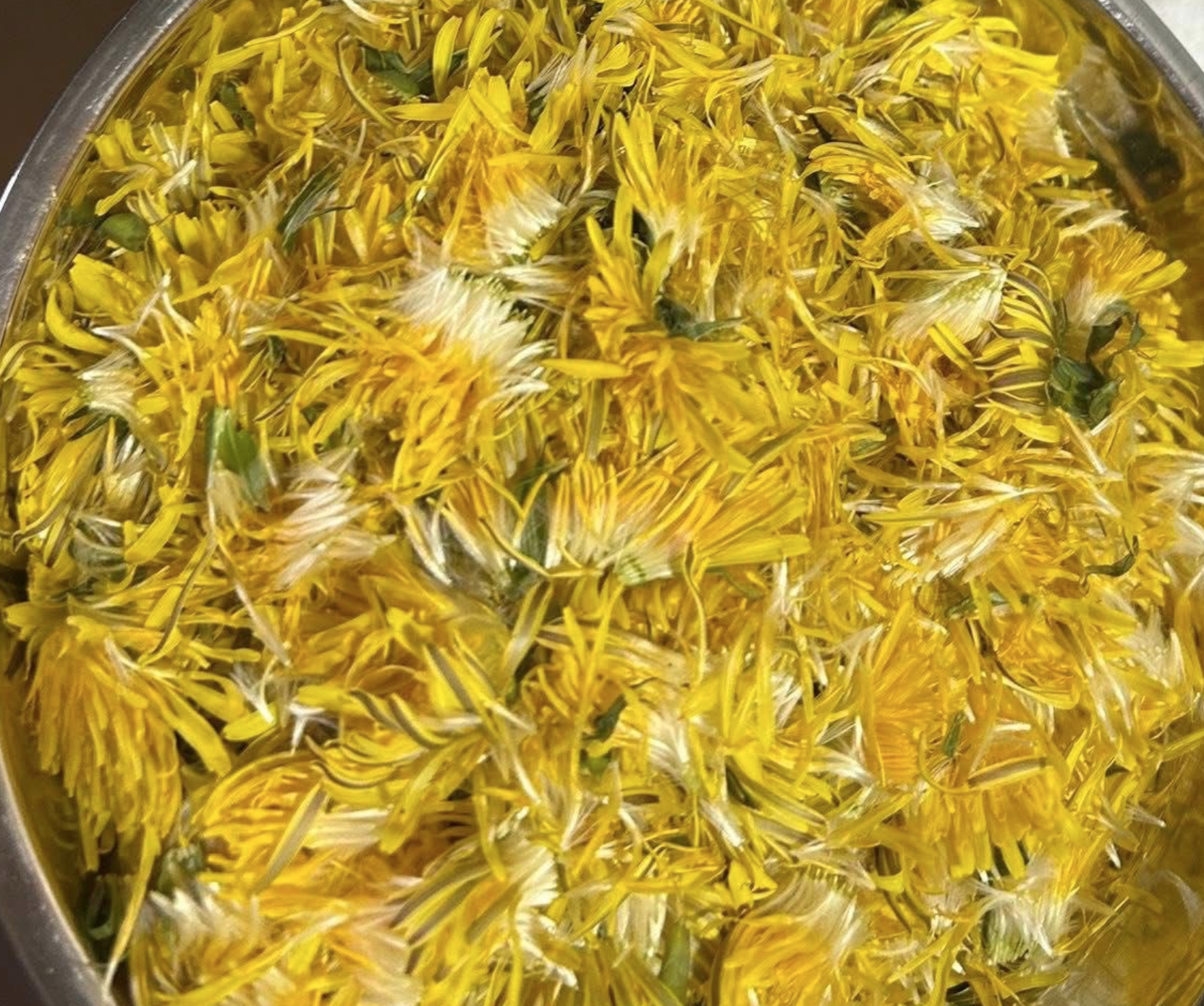
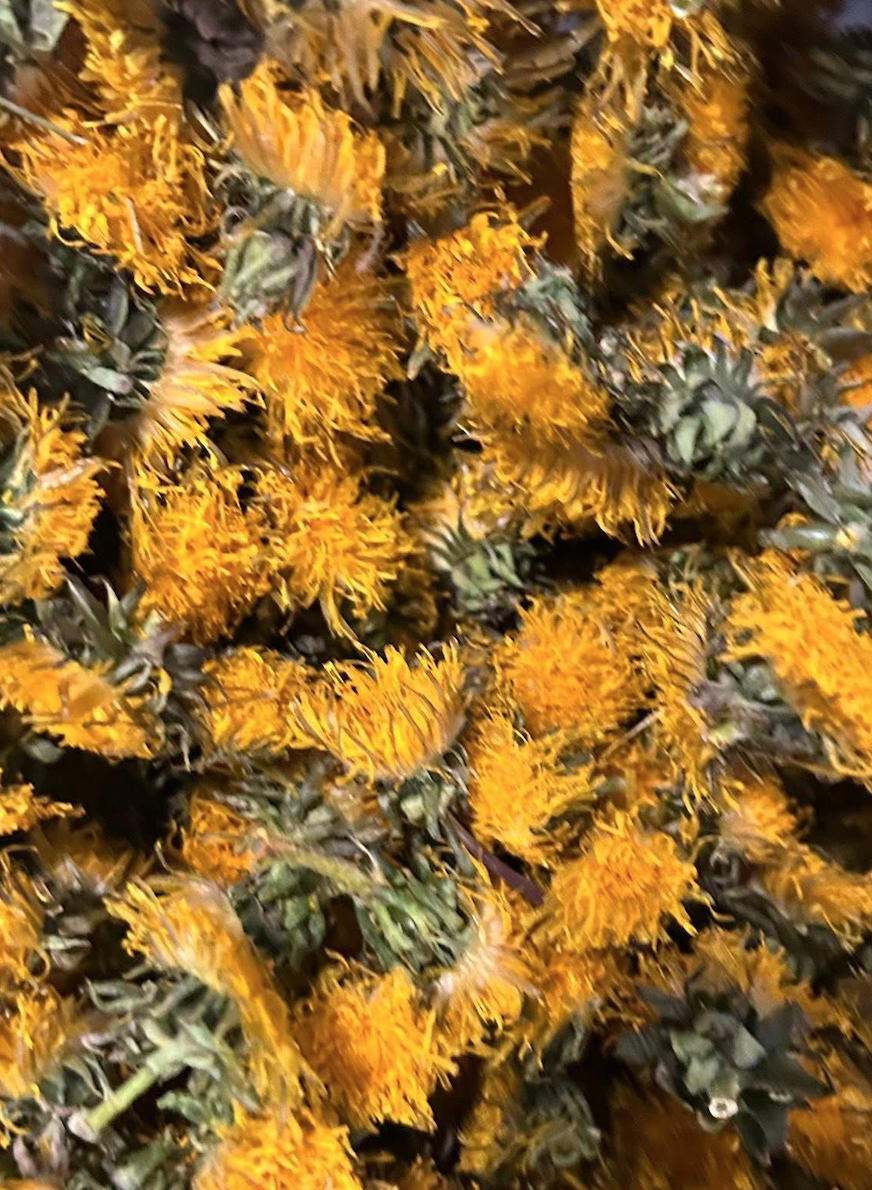
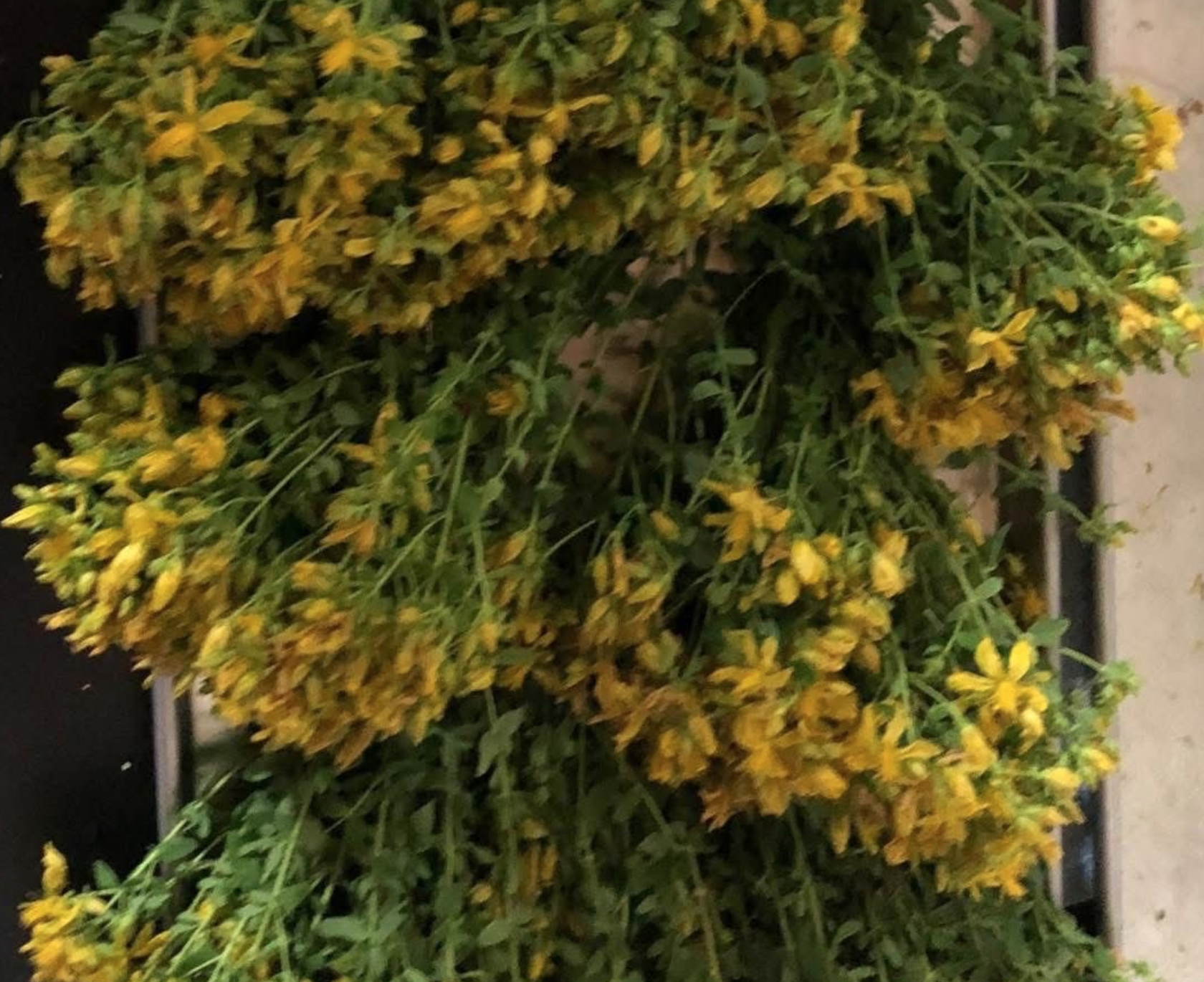
There is always a risk that the product — for example grapes — may lose its natural color or become chewy instead of crispy. That means defects — and we have to start over. In contrast, the lyophilization of flowers and herbs is less time-consuming, and their color always remains unchanged.
Once, I freeze-dried the flesh of unsweetened, watery watermelon and obtained an incredibly sweet snack — the moisture completely evaporated, and the natural components such as fructose, glucose, and sucrose became concentrated, while the flavor qualities were fully preserved.
For example, when we freeze-dry celandine, we must consider that 20 grams of the finished product correspond to 100 grams of raw material, so as not to exceed the recommended dosage.